 Plan My Safari
Tanzania · Mount Kilimanjaro
Kilimanjaro,Africa’s Highest Peak
Five climate zones, one summit and a sunrise you will talk about for the rest of your life.
Five climate zones, one summit and a sunrise you will talk about for the rest of your life.
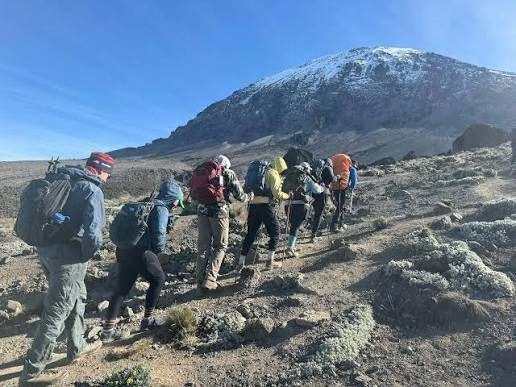
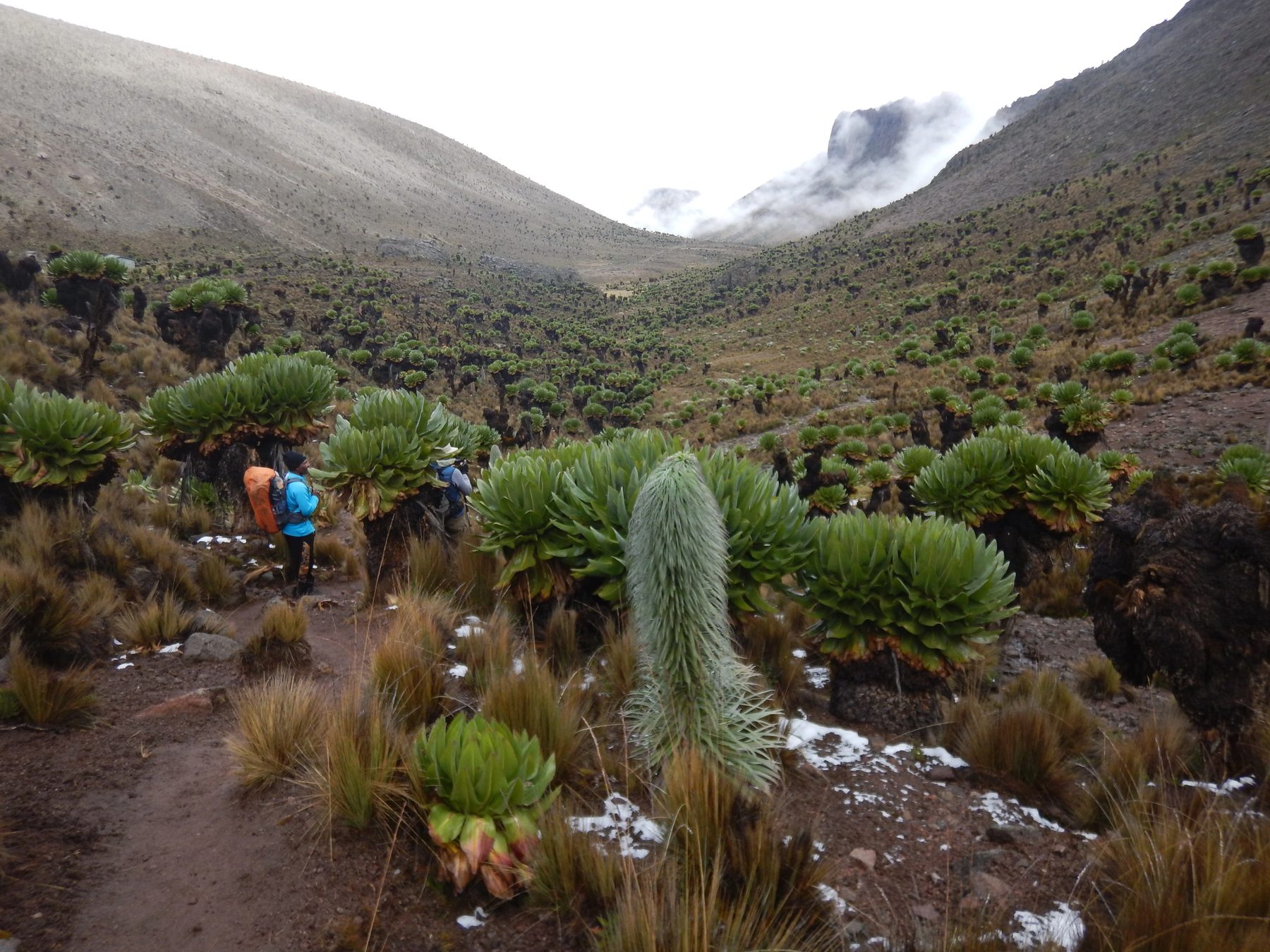
Kilimanjaro is the highest mountain in Africa at 5,895 metres, and you do not need to be a mountaineer to climb it. You walk, slowly, through rainforest, heath, moorland and alpine desert to reach Uhuru Peak.
The key is time. Longer routes give your body a chance to adapt, which makes the summit far more likely and far more enjoyable.
We pair every climb with experienced guides, porters and a safari before or after, so you celebrate with elephants instead of just a sandwich.
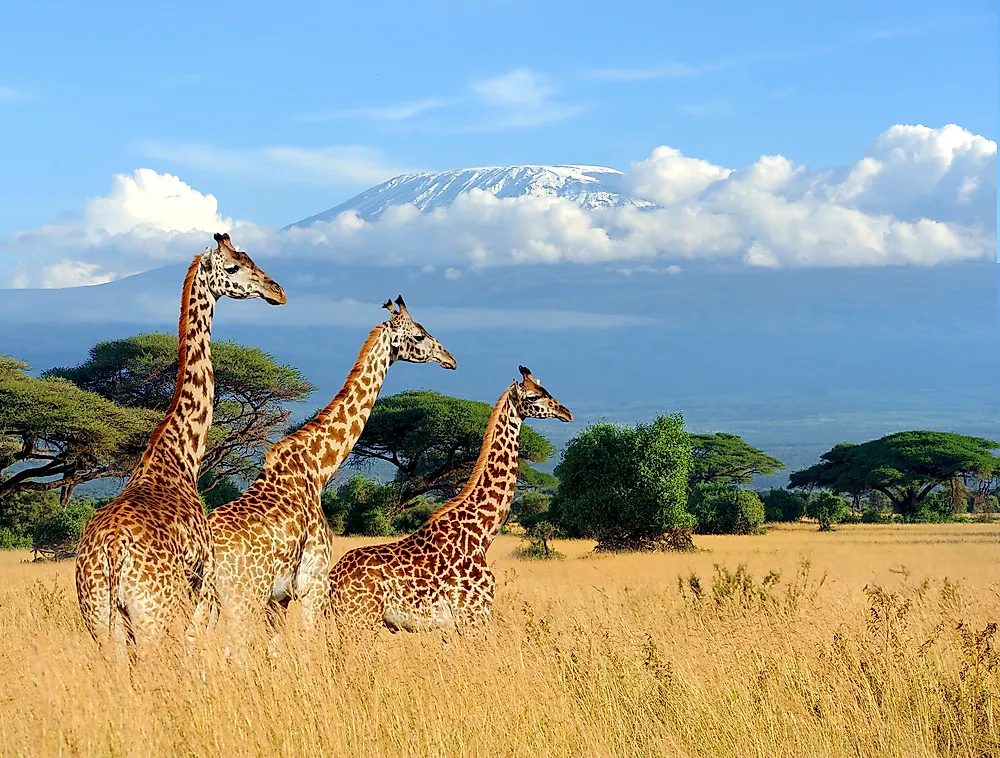


Kilimanjaro can be climbed all year, but the dry seasons give clearer views and easier trails.
Weather patterns shift from year to year, so ask us about the dates you have in mind.
The right place shapes your whole trip. Here are the three styles we recommend most.
 2 – 3 Nights
A comfortable bed, a good meal and a gear check before you start.
Ask About Stays → 2 – 3 Nights
Well-run tented camps with hot meals and warm sleeping bags.
Ask About Stays → 2 – 3 Nights
A hot shower, a cold drink and a very big sleep.
Ask About Stays →Every day is different, but this is the rhythm most guests fall in love with.
Hot tea or coffee delivered to your tent or room.
A big, warm meal to fuel the day.
Slow and steady. Your guides set the pace.
A rest stop with a view.
Hot food from the support crew.
Time to wash, rest and warm up.
Three courses and the day’s stories.
Early to bed, because tomorrow is another good day.
Starting points, not set menus. Tap one to see the days, then tell us what to change.
No. Kilimanjaro is a trek, not a technical climb. Fitness and time on the mountain matter most.
Longer routes such as Lemosho and Machame generally give the best chance of reaching the summit.
It is the main risk. We choose routes that allow gradual acclimatisation and guides check you every day.
Yes, a safari after the climb is our favourite combination.
