
One unforgettable Kenyan holiday, four husbands, four wives, and one very expensive lesson in knowing when to go to bed.
My name is Mark, and if there is one thing I learnt from our holiday in Kenya, it is that a man can survive a long safari, a bumpy road, and even a night out with his friends. What he may not survive is making his wife angry in a foreign country when she has paid good money to enjoy herself.
I learnt that lesson the hard way.
There were four of us — Peter, James, Michael and me. We had been friends for years, and like most men who have known each other for a long time, we had accumulated more stories than wisdom. We were all married, all enjoyed a good drink, and all believed we knew how to have a good time without causing too much trouble.
Our wives, naturally, had a slightly different opinion of us.
We had chosen Kenya for a holiday that promised everything: wildlife, adventure, beautiful landscapes and a few days on the coast. The plan was to explore the Maasai Mara, visit Naivasha, then fly to Mombasa and finish at Diani Beach.
It sounded perfect.
And, for the first few days, it was.
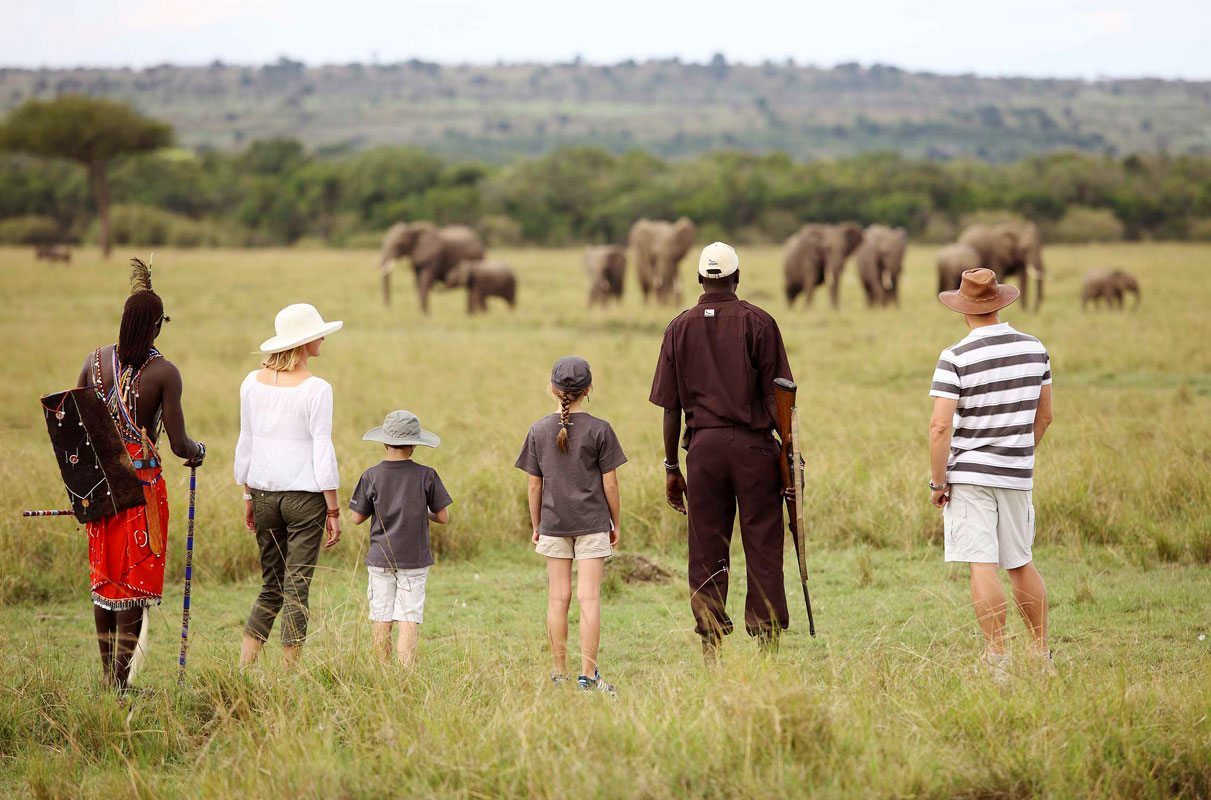
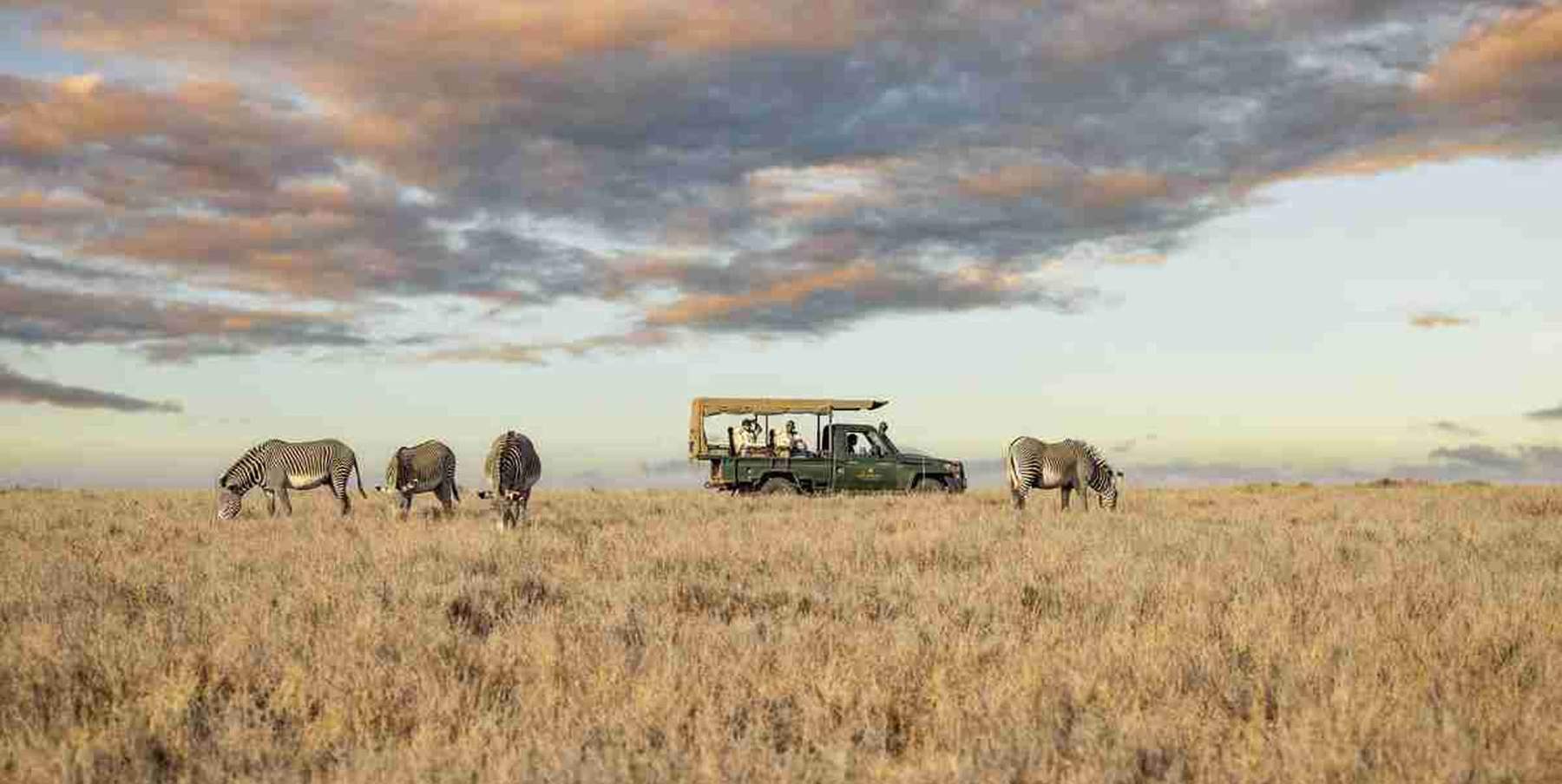
The Maasai Mara was everything we had hoped for. The vast plains, the wildlife and the beautiful African sunsets made us feel as though we had stepped into a documentary. Our guide, Daniel, knew the area well and seemed to understand exactly when to stop, where to look and how to make the most of every game drive.
We were having the time of our lives.
Then came our first evening in the Mara.
After a wonderful day, the four of us settled into the camp bar. We had drinks, told stories and laughed about things that probably weren’t half as funny as we thought they were. Our wives eventually decided they had had enough for the night and retired to their tents.

We should have followed them.
Instead, one of my friends mentioned that he had heard about a traditional local brew and wondered whether we could try it while we were in the area.
“Come on, Mark,” he said. “We’re in Africa. We can’t spend the whole evening drinking ordinary beer.”
That was all the encouragement we needed.
We asked a member of the camp staff whether there was a suitable place nearby where we could learn about the local brew and sample some. Arrangements were made for us to visit a nearby town, and off we went, congratulating ourselves on our adventurous spirit.
Looking back, I suspect we were simply four middle-aged men looking for an excuse to stay out late.
The evening turned into a night of conversation, laughter and drinks. We lost track of time completely. Nobody was checking the clock, and nobody wanted to be the first to suggest going back.
Eventually, however, the night had to end.
As we made our way back to camp, I checked my watch.
Four o’clock in the morning.
I stopped and stared at it.
“Gentlemen,” I announced, “I believe we have made a terrible mistake.”
Nobody asked what I meant.
We all knew.
A few hours later, the camp began stirring for the morning game drive. We heard footsteps outside, guests preparing for the day and the sound of a vehicle engine starting.
I remained firmly in bed.
My head was pounding, my mouth was dry, and even opening my eyes felt like a demanding physical activity. I had the distinct impression that someone had parked a Land Cruiser inside my skull and was trying to start the engine.
Then my wife appeared at the tent entrance.
She was dressed and ready for the game drive, looking fresh and full of expectation.
“Mark, are you coming?”
I attempted to sit up. The room immediately began moving in several directions at once.
“I think I’ll rest for a little while,” I managed.
She stared at me.
“Of course. Enjoy your rest.”
If you are married, you will understand that those words were not a blessing.
They were a warning.
She walked away to join the other ladies, leaving me to consider the consequences of my decisions.
The four of us spent the morning recovering. We drank water, slept, woke up, complained and slept again. Occasionally, someone would attempt a joke, but laughter only made the headaches worse.
When the ladies returned from their game drive, they were full of stories.
They had seen wildlife, enjoyed the morning and had plenty to talk about. They were excitedly discussing their sightings while we sat there looking like four men who had barely survived a natural disaster.
Every time one of them mentioned an animal they had seen, I felt another piece of my dignity disappear.
And then came the afternoon.
We had missed the morning game drive, but surely we could pull ourselves together for the second one.
That was the theory.
In reality, none of us was fit to go anywhere. The thought of climbing into a vehicle, bouncing along dusty tracks and spending hours in the sun was enough to make me want to return to bed.
So we missed the afternoon game drive too.
Imagine travelling all the way to the Maasai Mara, one of Africa’s most celebrated wildlife destinations, only to spend an entire day nursing a hangover.
We had managed to miss both game drives in a single day.
Our wives were understandably unimpressed.
A man can only learn so much in one holiday.
By late afternoon, we were beginning to feel human again. We washed, dressed and gathered for dinner, hoping that a decent meal might help restore both our health and our standing as husbands.
The atmosphere was tense.
Nobody shouted. Nobody argued. The ladies simply spoke to us when necessary and otherwise carried on with their conversations.
Somehow, that was worse.
At dinner, one of the men made a joke about our adventure. One of the ladies smiled, and we received that small smile like a diplomatic breakthrough.
My wife eventually turned to me.
“Mark, was the brew worth it?”
I looked at her, then at my three friends, who suddenly seemed fascinated by their plates.
“No,” I admitted. “Not even remotely.”
She shook her head, but at least the conversation had begun.
I thought the worst was behind us.
I was wrong.
Our next stop was Naivasha, and the drive gave me plenty of time to think about the consequences of poor decisions. The Kenyan countryside was beautiful, but I spent much of the journey wondering whether my wife had forgiven me.
She hadn’t.
Naivasha was lovely. We had fresh air, beautiful scenery and the promise of a relaxing couple of days. We had planned to enjoy the surroundings, take things slowly and perhaps explore some of the area’s attractions.
Unfortunately, our wives took the idea of taking things slowly very seriously.
They answered our questions, thanked us when we passed them things and spoke to us when necessary. But the easy conversation we had enjoyed at the beginning of the trip had disappeared.
The four of us would sit together and exchange worried glances.
One morning, Peter leaned towards us and whispered, “Do you think they’re still angry?”
I looked at him.
“Peter, my wife has been angry for so long that I’m beginning to think it’s become part of the itinerary.”
He nearly laughed, but stopped when his wife turned around.
We spent two days in Naivasha living under what I privately called the Silent War. The scenery was beautiful, but the atmosphere at breakfast and dinner was painfully awkward.
We had come to Kenya to make memories together. Instead, we had created a holiday within the holiday, and nobody was enjoying that part.
Eventually, it was time to head to the coast.
We drove to Nairobi and caught a short flight to Mombasa, about forty minutes in the air. As we descended towards the coast, the Indian Ocean appeared below us, stretching into the distance. The warmer air and the thought of white sandy beaches lifted our spirits.
From Mombasa, we continued to Diani Beach.
And what a welcome it was.

White sand, palm trees, turquoise water and a relaxed coastal atmosphere greeted us. After the dust and long drives of the safari, the ocean felt like a reward.
Our wives began to relax a little.
That first evening in Diani was wonderful. We settled in, enjoyed good food and drinks, and laughed together. For a moment, it seemed that the Mara disaster was finally behind us.
But this time, we were careful.
Nobody suggested an adventure after the ladies went to bed. Nobody mentioned a mysterious local brew. Nobody announced that we needed to embrace the culture until the early hours of the morning.
We had learnt something.
Or so we thought.
The following day, our plan was simple: enjoy the beach, relax, perhaps visit a local village and spend the remaining days taking life slowly.
Then Daniel, our guide, decided to intervene.
Throughout the trip, he had quietly observed the changing atmosphere between the couples. He was experienced enough to recognise when something was wrong, and he knew that sometimes a good guide had to do more than drive a vehicle and point out wildlife.
One morning, he joined us casually.
“Gentlemen,” he said, “I think you need to do something.”
“Something like what?” I asked.
He glanced towards the ladies.
“They haven’t been very happy since that night in the Mara.”
There it was. The truth, delivered as casually as a weather report.
Peter looked down at his coffee. James suddenly became fascinated by his cup. Michael studied the table as though he had discovered something important written on it.
Daniel continued.
“You planned to relax on the beach, and that’s fine. But perhaps you should do something different. Take them somewhere special. Give them an experience they weren’t expecting.”
It was sensible advice.
Annoyingly sensible.
After Daniel left us to think about it, the four of us held an emergency men’s meeting.
We discussed our options, considered the additional costs and looked for something that would give the ladies a genuinely memorable experience.
That was when Watamu came up.
It was about a two-hour drive from where we were staying, and it offered a different coastal experience from simply spending another day on the beach.
We asked Daniel about the arrangements and what we could do there. After a quick discussion about the costs, we looked at one another.
Four husbands. Four wives. One holiday that needed rescuing.
“Gentlemen,” I said, “I believe we have found our opportunity.”
And just like that, we agreed.
When we announced the plan to our wives, their reaction was not quite the enthusiastic response we had hoped for.
“Watamu?” my wife asked.
“Yes,” I replied. “A little change of scenery. We thought it would be nice to do something different.”
She gave me a suspicious look.
“Is this another one of your ideas?”
That was a perfectly reasonable question, and I had no intention of making things worse.
“No,” I said quickly. “Daniel suggested it.”
I have never been more grateful for a safari guide.
The ladies agreed to come, though nobody seemed particularly excited. We set off the following morning, with the men quietly hoping we had made the right decision.
The drive was pleasant, but the real transformation began when we arrived.
Watamu had a charm that was difficult to explain. The coastal scenery was beautiful, the ocean was inviting, and the whole place seemed to welcome us. It felt as though we had discovered another side of Kenya.
Even our wives began to soften.
The first smiles appeared. Photographs were taken. Someone made a joke about the men being allowed to choose the next activity only under strict supervision.
We all laughed.
More importantly, the ladies laughed too.
For the first time since the Mara, the wall between us seemed to be coming down.
Then came the surprise that changed everything.
We had arranged an underwater experience, and I had no idea just how much we would enjoy it.
I had always liked the ocean from the shore. I enjoyed the waves, the sound of the water and the sunlight dancing across the surface. But seeing the sea from above and experiencing it beneath the water are two completely different things.
Once we were prepared and out on the water, the world we knew seemed to disappear.
Beneath the surface, everything was different. Fish moved through the water in flashes of colour, and the underwater scenery was unlike anything we had experienced during our safari. It was exciting, beautiful and strangely peaceful.

We had spent days looking for wildlife on land, peering through binoculars and hoping to spot animals in the distance. Now we were discovering an entirely different world beneath the ocean.
And then there were the dolphins.
Watching dolphins in their natural environment was unforgettable. There was something magical about seeing them moving freely through the water, and we could hardly believe how close we were getting to this new experience.
Our wives were delighted.
I watched my wife smiling, pointing things out and sharing the excitement with the others. The tension that had followed us from the Mara seemed to drift away with every passing minute.
Peter’s wife was laughing. James’s wife was taking photographs. Michael’s wife, who had barely spoken to him during the worst of the Silent War, was suddenly calling his attention to things in the water.
He looked at what she was pointing at, then looked at her.
I could almost see the relief spreading across his face.
We had done it.
We had finally found something that brought everyone together again.
By the time the experience ended, nobody was talking about the Maasai brew. Nobody was complaining about the missed game drives. We were simply enjoying ourselves.
In fact, we enjoyed ourselves so much that the thought of returning to Diani became rather unpleasant.
We had planned a day trip, but one day was not enough. We wanted to do it again, explore more of the area and enjoy Watamu a little longer.
There was just one problem: we had already booked our accommodation elsewhere.
Fortunately, the management of The Old Times Safari Company was quick to help. We explained what we wanted to do, and they worked on the arrangements to extend our stay and change our accommodation.
Before long, everything was organised.
We had an extra day in Watamu.
That flexibility made a real difference. Instead of spending precious holiday time worrying about bookings and logistics, we could concentrate on enjoying the experience. Sometimes the best moments on a trip are the ones you never planned, and having people willing to help you adapt makes all the difference.
Our extra day turned out to be one of the highlights of the entire holiday.
Watamu offered so much more than we had expected. We enjoyed the coast during the day, and the evenings brought their own magic. There was good food, music, laughter and a wonderful atmosphere that made us feel as though the night should last a little longer.
The ladies were happy.
The men were happy.
And, perhaps most importantly, the men had learnt to recognise when a good evening should end.
We still enjoyed ourselves. We still had drinks. We still laughed loudly and told stories that became funnier with every retelling.
But this time, we watched the clock.
Nobody suggested visiting another place after dinner. Nobody mentioned a special local drink. Nobody said, “Just one more.”
If one of us looked as though he might be considering it, the others were quick to remind him of the Mara.
“You remember what happened last time?” someone would ask.
That was usually enough.
Our wives noticed the change, too. The conversations became easier, the teasing returned, and the four couples began enjoying the holiday together again.
By the time we were preparing to leave the coast, the Silent War was officially over.
We had gone from four husbands sleeping off hangovers in the Maasai Mara to four husbands being congratulated for organising an unforgettable coastal experience. It was quite a recovery, even if I say so myself.
Looking back, the contrast still makes me laugh.
We had travelled to Kenya for the wildlife, the landscapes, the beaches and the adventure. Yet one of the most memorable lessons of the trip had nothing to do with spotting a lion or swimming in the ocean.
It was about learning to listen.
Our wives had travelled all that way to enjoy the experience with us. They hadn’t come to watch us spend a precious safari day recovering from a night out. A little spontaneity can make a holiday special, but there is a difference between being adventurous and being downright foolish.
We learnt that lesson the hard way.
The Mara taught us what happens when you make a poor decision and ignore the consequences. Naivasha taught us that silence can be more punishing than an argument. Watamu reminded us that a holiday can be rescued when you are willing to listen, make an effort and try something new.
And Daniel? He never once said, “I told you so.”
He didn’t need to.
Every time he saw the four of us behaving ourselves during those final evenings, I suspected he was quietly congratulating himself.
As for us, we left the coast with wonderful memories, photographs we would treasure for years and a new rule that we still repeat whenever we travel together.
Enjoy the adventure. Enjoy the drinks. Enjoy the company. But never be so foolish that you miss the very reason you travelled all that way.
And if your guide tells you that your wives aren’t happy, don’t argue.
Listen to the man.
He may just save your marriage — and your holiday.
As we prepared to head home, I glanced at my wife and smiled.
“So,” I asked, “would you come back to Kenya?”
She smiled back.
“Absolutely.”
I felt a wave of relief.
Then she added, “But next time, Mark, you are going to bed when I tell you.”
I nodded immediately.
After all, a man can only learn so much in one holiday.
And I had absolutely no intention of missing another game drive.